
Jane’s Walk Ottawa-Gatineau May 6, 2023
Ottawa Architecture Week Sept 30, 2024
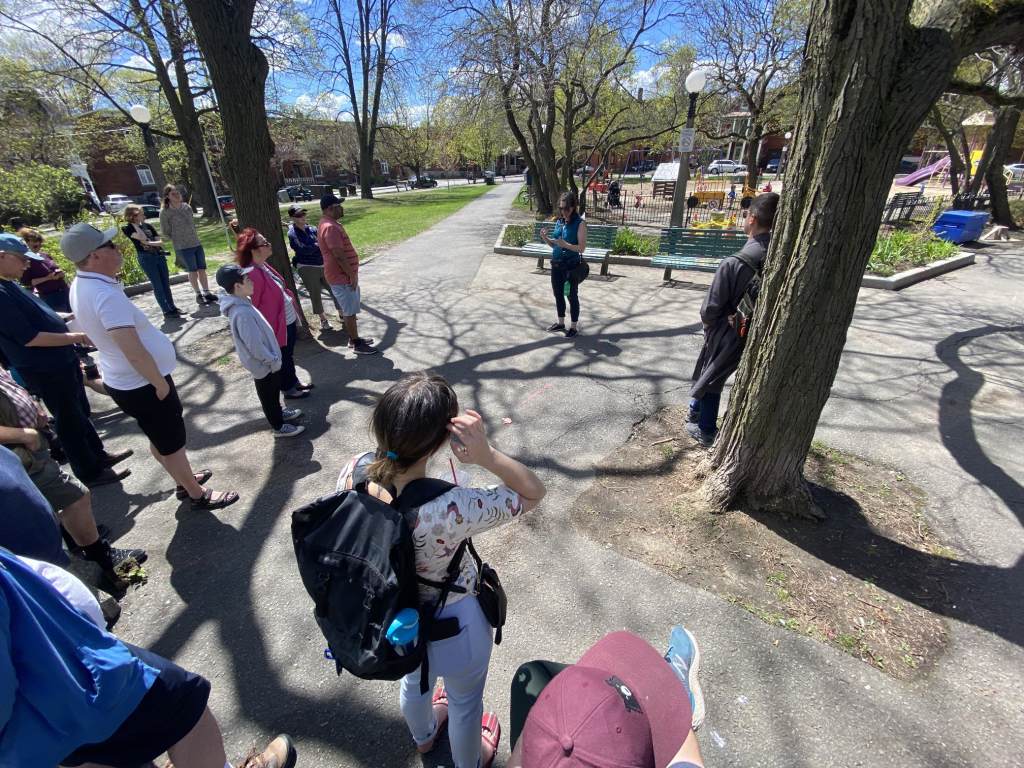
This walk is framed around the sociological concept of “third places,” those sites that are neither work nor home. Third places are largely public sites of recreation that nourish and inspire sociability. We’ll be focusing on parks, sport, public art, and community gardens. This walk was developed for an undergraduate course by Sarah Gelbard and Tonya Davidson to explore places where architecture, urban planning, and sociology come together in everyday spaces in Ottawa.
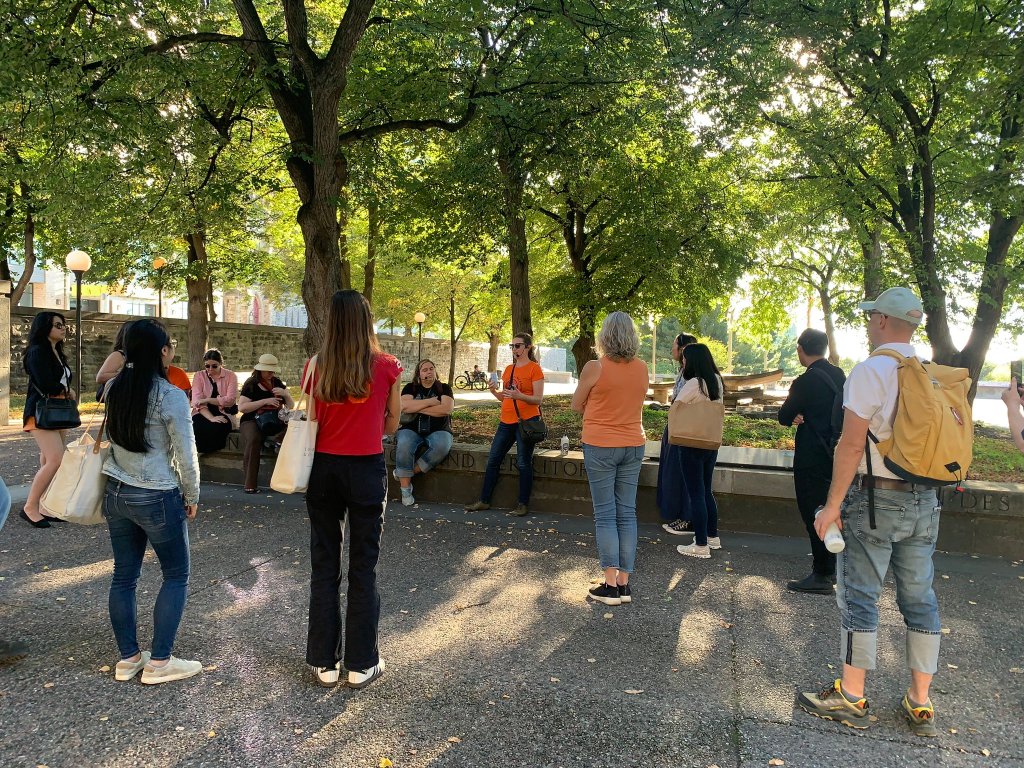

 It has been said that brutalist architecture is “unloved but not unlovely”. Beyond the monolithic, opaque, concrete façades are buildings filled with drama, mystery, and strong civic focus. In the postwar building boom and leading up to the Centennial, grand and heroic ideals of civic welfare and cultural identity were translated into a new vision for Ottawa. The abstract, technically efficient, and impersonal nature of modernism was too closely tied to war. The strong character of brutalist architecture embodied renewed hope, stability, and humanity. Ironically, today we tend to misread these buildings as imposing and inhuman “eyesores”. Understanding the values and ideals behind these plans and buildings helps us to question what went wrong when they became built realities instead of utopian ideals.
  It has been said that brutalist architecture is “unloved but not unlovely.” Beyond the monolithic, opaque, concrete façades are buildings filled with drama, mystery, and strong civic focus. In the postwar building boom and leading up to the Centennial, grand and heroic ideals of civic welfare and cultural identity were translated into a new vision for Ottawa. The strong character of brutalist architecture embodied renewed hope, stability, and humanity. Ironically, today we tend to misread these buildings as imposing and inhuman “eyesores.”
  Sarah B. Gelbard